


cczz | Exploring the Realm of Strategy Games
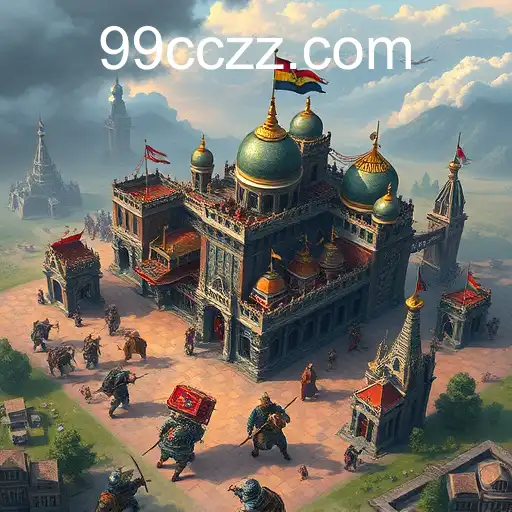
The world of gaming is vast and diverse, but one genre that has consistently held the fascination of gamers worldwide is the strategy game. From the tactile chessboards of ancient times to the complex virtual worlds of today's digital age, strategy games have evolved significantly, captivating audiences with their emphasis on tactical planning, foresight, and resource management.
The core appeal of strategy games lies in their challenge. Unlike other gaming genres that might depend on luck or quick reflexes, strategy games demand careful thought and planning. Players must anticipate opponents' moves, manage limited resources, and make critical decisions under pressure. This intellectual challenge is a key reason why strategy games have garnered such a dedicated following.
Today’s strategy games are more than just a battlefield. They often incorporate elements of empire building, simulation, and role-playing. Titles such as "Civilization," "Starcraft," and "Age of Empires" have set the bar high, offering players intricate stories, vast worlds, and the opportunity to engage in epic battles. These games are not just about defeating an enemy; they are about creating and managing entire systems, whether it be an intergalactic empire or a medieval kingdom.
The evolution of technology has allowed strategy games to become more complex and immersive. With advancements in AI, these games can now present increasingly challenging opponents that adapt and evolve with the player. This aspect not only enhances replayability but also ensures that even seasoned players must stay on their toes. Moreover, online capabilities have transformed strategy games into global competitions. Platforms like "League of Legends" and "Dota 2" have become staples in the sphere of esports, where strategic acumen is tested in highly competitive environments.
Furthermore, strategy games have had a significant cultural and educational impact. They are used in educational settings to teach critical thinking and problem-solving skills and have been recognized for their potential to develop cognitive skills. Moreover, strategy games often reflect historical events or imagine future possibilities, giving players a lens through which to explore different time periods and scenarios, potentially fostering a greater understanding of real-world dynamics.
In summary, strategy games remain a crucial part of the gaming landscape, offering players a unique blend of challenge, strategy, and storytelling. As technology continues to advance, it stands to reason that the genre will continue to innovate, bringing even more depth and engagement to players worldwide. Whether you're maneuvering through an epic galactic conflict or building a thriving historical empire, strategy games provide not just entertainment, but a profound, intellectually rewarding experience.
